by Miriam Hara | Feb 16, 2014 | Branding, Creative, Latest
Developing creative for a brand ad, regardless of the medium, is often fraught with many obstacles. The main one being that there are so many people involved in developing brand creative…other than the creative team, at times it becomes impossible to please everyone. That very statement should give all marketing and creative professionals pause. How is it that the creative process and more importantly, creative decisions all boil down to personal preference?
As a marketing brand professional how do you really add value to the creative process?
This really should be a no-brainer as the creative brief should outline all the objectives, character, reasons to believe and tonality. However with the speed of business being what it is today, we often find the creative brief is ditched in an all out effort towards “getting the creative out”. When that happens, much of the creative decisions become based on interpretation and personal preference. While some may argue that being the brand ambassador or manager (herein brand professional) of the said brand allows them the freedom to dictate preference, I would challenge that thought.
Brand and branding is not about individual likes or dislikes. A brand’s life cycle may span over many brand professionals. That being the case, it is important that the brand’s tone, style and voice be maintained. Evolved, for sure, but consistent. More importantly, I believe that the brand professional’s main job is to make sure that the brand attributes and its physical demeanor should be maintained. While I wholeheartedly agree that success is in the details, the creative details should best be left to the creative team. The big picture, the overall impression, the quality, the benefit statements and the appearance of the brand is the responsibility of the brand professional… without question! Thus, total consideration must be given when comments directly touch on these attributes. However not all requests for changes are equal… or relevant. A good way to judge the importance of these considerations is by allocating a mark for each comment directed at “making the creative stronger”. Judgement on if the change will effect the overall delivery should constantly be a forefront of every request to change.
It’s easy to get caught up in the whirlwind of all that is creative. Enthusiasm is always necessary for any creative project to get off the ground… and the creative process initiated. All brand professionals are creative in their own right. However, developing creative and not hindering the creative process is also a skill set that is required to make brand creative to outstanding emotive brand creative.
by Felicitas Ritter | Feb 14, 2014 | Advertising, Latest
Over the last several years, we seem to be focusing more and more on reality for our entertainment. From Survivor to The Real Housewives to Big Brother… apparently voyeurism sells very well. The same trend has also been cropping up over the years in advertising.
The Dove campaign for real beauty was highly successful and original when it first launched in 2004. Since then, we’ve seen many more advertisers following suit using people who appear to be appreciating products in real-life (even if in actuality they may be paid actors). Febreze has filmed people smell testing their products in a variety of disgusting situations since 2011. And in 2013, a Pepsi commercial that received a great deal of attention was one created from a test driving prank at a dealership with Jeff Gordon.
Perhaps this new fascination with reality is in part because we are so interconnected
…through the media, Internet, cell phones – whenever anything of significance happens, we hear about it almost instantaneously. And with the rise of social media, people photographing and posting “selfies” with their favourite things is now very commonplace and popular. It’s also putting a shelf-life on our celebrities who may or may not be able to maintain the images they would like too – which may make using “real” people as spokespersons a safer bet in the long-run.
When one of our athletes wins a medal at the Olympics, there’s an app to give us the download. When Justin Bieber is behaving badly, the Internet erupts with the play-by-play. And whenever Toronto Mayor Rob Ford is set to make his next ethical or political blunder, you can be sure we will all have front-row seats to that action. Once an unfortunate incident has reached Twitter or YouTube proportions, “handling” public perception afterward becomes quite difficult – even with a crisis preparedness plan.
Consumers these days are also far more savvy than once upon a time and not as willing to accept things at face value – they want the dirt and are willing to dig for it. Whether that means getting the latest star gossip, uncovering a government scandal, or wanting to know whether everyday products are organic or eco friendly, truth in life and advertising is what everyone is looking for. What this means for marketers is that branding claims – and spokespeople – better hold up to scrutiny, or the likelihood of uncomfortable revelations is good.
by Felicitas Ritter | Feb 10, 2014 | Creative, Latest
Whether you are tasked to come up with ideas for a corporate creative campaign using a team of people, or you are just trying to generate ideas for yourself, the process of “brainstorming” is virtually the same. It doesn’t have to be an intimidating process and hopefully the idea of facilitating a session doesn’t strike in you with the same kind of blinding fear it did in me the first time I had to lead one – which happened when I was barely an account executive, with half the agency present, including the Big Boss, and The Client! But not only did I survive, I gained tremendous confidence through the challenge and (I think) managed to impress a few people.
1. Preparation: When it comes to involving other people in a brainstorming session, how well you prepare everyone for it BEFORE they get there is important. Provide a one or two page outline including background on the situation, the issues, and the competition, as well as some direction as to the kinds of ideas you are looking for. Send this out a few days in advance of your session to give people time to ruminate about it. I find that when I’m coming up with ideas it sometimes takes a few hours of just sitting with the concept in my mind before ideas really start to flow. Suggest that your participants take note of any thoughts and bring those with them into the session to share – this will also help to get things started.
2. Relaxed atmosphere: Where you get creative is equally important. A room that is comfortable, quiet, and without distraction will help people focus on what you are trying to accomplish. Also, keeping the atmosphere friendly and inviting so people will feel free to contribute is key. No stuffed shirts allowed. Otherwise, you’ll just get the same old boring ideas, from the same old people and that may result in a less effective campaign. In fact, working with a more diverse group should be your objective.
We all come from different places and you want to take advantage of unique perspectives.
3. Scheduling: According to Mind Power News http://www.mindpowernews.com/BestTimeOfDay.htm the most productive time of the day to generate ideas is between 9am and 11am. This is when your brain has activated enough of the stress hormone, cortisol, to allow your mind to focus and be creative. Having light snacks, such as fruit and nuts, and keeping everyone hydrated is also a good idea.
4. No negativity: It’s all good… or not. But don’t start judging anything until the session is done. Certainly not all ideas are going to be stellar, but that luke-warm, never-gonna-fly, embarrassed-you-said-it idea could lead to the next latest and greatest one. You owe it to the team (or yourself) to just put it out there – plant the seed and see what develops, for you or someone else in the group. That crazy idea could lead to something truly original and creative.
5. Post it: Write all the ideas on a board (or several boards) around the room so everyone can see them. Having all your ideas front and center will help maintain focus and flow.
6. Visual Aids: Using images can also be helpful to stimulate creative thinking. Ask people to bring tear-sheets from magazines, or print-outs from inspiring web content. Put those up on the wall too. There also some amazing online programs and apps available to help you organize your ideas: Pinterest, Wordstorm, Springpad, and Popplet are just a few.
7. Organize & Evaluate: As you are writing down ideas, try to keep them in some kind of cohesive order. When you have what you consider to be enough to work with, filter through them all categorically and see if you can expand on anything that you particularly like. Once everything has been explored to the fullest, you should be ready to put together a strong and comprehensive creative campaign strategy.
by Kristina Parker | Feb 5, 2014 | Interactive, Latest
The app market has provided something of a gold rush for a while now. By providing millions of users with a way to quickly and easily download any piece of software, iTunes and the Google Play Store have created huge opportunities for programmers and marketers and this has led to an influx of games, productivity apps and more which have made a lot of people very wealthy. 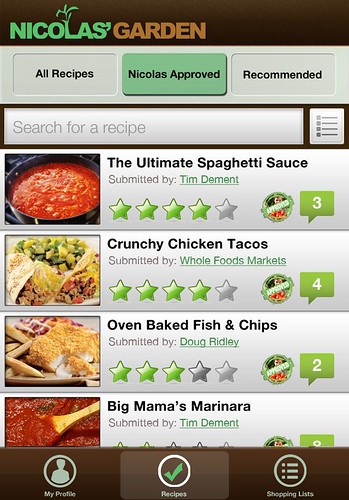 But while there is still a lot of money to be made here, unfortunately it has become increasingly difficult to actually make that money due to an increasing amount of competition. These days it is a challenge to stand out from the crowd and so it has become necessary to try applying some more conventional forms of marketing and advertising in order to turn an app into a verified hit. Here we will look at some of the unique ways you can promote and app and turn it into a hit.
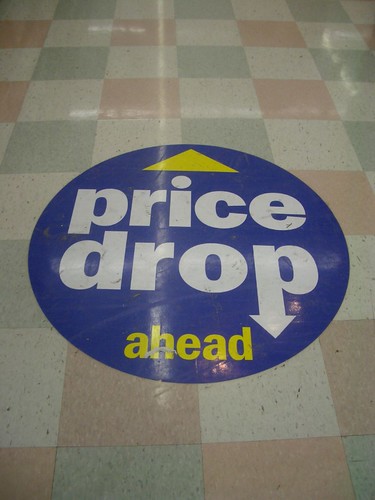 Price Drops
There are many sites online that exist entirely to inform buyers of recent sales and price drops for popular apps. These sites work by scanning the various app stores automatically and highlighting the biggest price drops, and that means that you can easily get noticed by simply having a big sale. This can then lead to a huge increase in downloads for a short while as people will rush to your product and more will be made aware of it. Of course you’ll earn less per-sale, but normally this still results in an increase in profits for a while at least.
Team-Ups
Another way to promote your application is to somehow team up with a blogger or YouTube channel which has access to a large audience. This way you can offer their viewers an exclusive discount for example, or you can offer to promote their channel through your app in exchange for them doing the same for you. 
The problem of course is getting those people with a big platform to respond to your unsolicited e-mails rather than just deleting them. The solution though is a simple matter of carefully choosing the right person to contact in the first place. Specifically, you should be contacting people who have a large platform, but who are still at a similar level to you in terms of success – or ideally even lower. What you need to do, is to find someone new and preferably young, who will still be excited to be contacted by a big ‘app developer’. They will be enthusiastic and their site will benefit from the deal, but at the same time they’ll also have the large audience that can help you increase downloads.
Better yet, by approaching smaller outlets first, you can actually end up gaining coverage on larger sites/in larger magazines. That’s because these often look to smaller outlets in order to get breaking news, and once they’ve seen it covered well once, they’ll be more likely to take an interest than if you approached them directly.
Advertising 
While many people don’t consider advertising for mobile apps, this can still actually be a highly successful way to get more downloads and especially if you do it right. Even if those ads don’t lead directly to downloads, they can increase awareness which can boost exposure and help you to get more users. There are many great ways to advertise for an app. Advertising on internet TV for instance can work well as it allows your ad to be seen by people who are online and able to immediately follow a link to a download. Likewise you can advertise through Facebook with highly targeted ads, or through Google AdWords. Another option though is to go the ‘old fashioned’ route and try advertising through more traditional mediums – such as magazine or television. Here you face less competition and that can make your app more memorable. Better yet, if you should get a review or advert in a magazine that specialises in your niche (a writing app in a writing magazine for instance), then you will have a direct ‘route to market’ that will lead to lots of new downloads.
by Felicitas Ritter | Feb 4, 2014 | Latest, Marketing
For any business, having an integrated marketing plan really is the best way to optimize communications efforts. Without this, you could be missing out on great opportunities to reach your target audiences. Relying only upon traditional advertising outlets like radio, TV or newspaper to generate all the buzz you need, just isn’t as effective a strategy as it once was. In particular, if you have a smaller business, you might even want to skip these costly budget-busting vehicles for a while, depending on your market. Even when it comes to marketing for larger corporations, throwing everything into a splashy ad campaign is not generally the best practice. A more strategic approach is to examine all the marketing tools at hand, and take into account all the ways they might help you reach consumers.
If you are not yet working with social media, this is something that really does need to be incorporated into the mix.
As of December 2013, according to the Pew Research Center, 73% of online adults engage in social networking. Additionally, 42% are utilizing multiple platforms. If you aren’t leveraging Facebook and Twitter, at the very least, you are likely missing out on reaching a significant portion of your target audience. For niche markets, YouTube is another fantastic platform to reach very specific types of consumers.
Other considerations have to include direct marketing campaigns or promotions for consumer contests or giveaways, sponsorship opportunities, such as with local sports teams, and special events to launch new products. All are great ways to effectively get your brand out there.
Something many companies seem to take for granted are the impressions received through public relations. Having the opportunity to showcase products for free on local television programs or in specialty publications, or for the company spokesperson to be positioned as an opinion leader can be invaluable to future business successes.
The ingenuity of your campaign is only limited by the imaginations of your marketing and creative teams. And its effectiveness is not always a matter of budget, but rather of good planning and the ability to utilize a wide range of integrated marketing services that work synergistically together.
by Belinda Lui | Feb 3, 2014 | Advertising, Branding, Business Success, Communications, Creative, Design, Latest, Marketing, Social Media
We’ve been noticing a trend recently that lends a hand to the celebrities and shows that a lot of us grew up watching. What is the purpose of using these particular stars or shows to appeal to viewers? We think it has something to do with nostalgic value. Retro advertising has been done before but ever since Oikos used the stars from Full House to market their products during the Super Bowl, we’ve seen other brands follow suit. Before we share some of these ads with you, let’s discuss why nostalgic value has any value when it comes to retro advertising:
Much like emotive advertising, retro advertising is successful because we associate certain memories and feelings with that time period in our lives. I don’t know about you, but I associate only good things with the TV shows that I grew up watching. I remember coming home from (what seemed like) a never-ending day at school, plopping myself down on the couch with a tall glass of milk, and watching after-school specials until my mother came home. That small window of alone time never went unappreciated. It was an adolescent’s time to reflect on the lessons being taught through these programs. So, when a legacy brand uses a legacy show to simulate certain emotive associations — it’s actually quite a brilliant strategy; especially if that brand is formerly associated with negative feelings.
Retro Advertising at its finest:
This is Delta’s ’80s-themed safety video: a fun and light-hearted take on a video that so many of us choose to ignore before taking off on a flight. Bet you won’t be able to ignore it now!
This is some of the cast from Full House appearing on Jimmy Fallon — this may not be directly advertising a product or service, but it was the top trending viral video on Facebook on January 20, 2014.
What examples of retro advertising can you share with us?
